The Hidden Meanings Behind Your Birth Flower Uncovered
Posted on 04/07/2025
Did you know that each birth month has its own unique flower, much like birthstones? From ancient traditions to modern symbolism, birth flowers have carried hidden meanings for countless generations. In this comprehensive guide, we'll uncover the secret stories and meanings behind your birth flower, explore their origins, and offer ideas on how this timeless symbolism can enrich your life today.
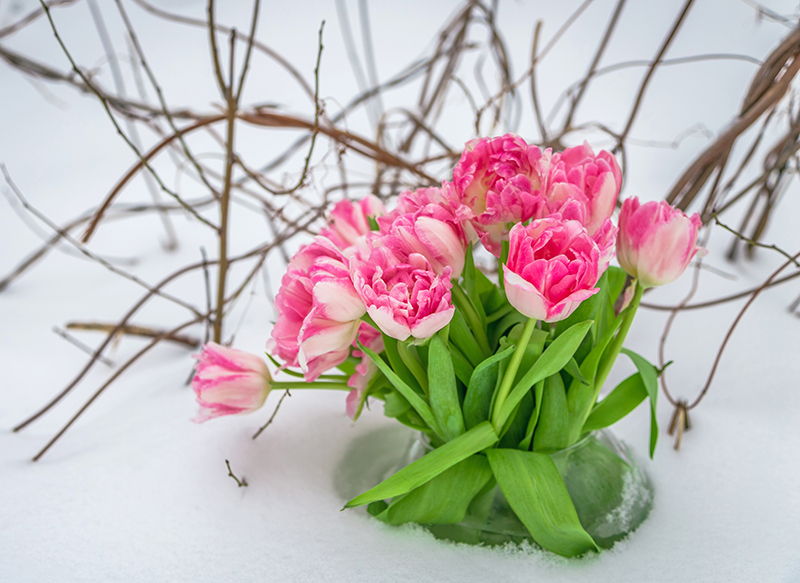
What Are Birth Flowers?
Birth flowers--sometimes called birthday flowers--are floral representations associated with each month of the year. Similar to zodiac signs and birthstones, each birth flower carries unique meaning, symbolism, and a whisper of tradition. Originating largely in Victorian England, the significance of birth flowers has persisted, with each blossom reflecting the characteristics, fortunes, and spirit of those born in its month.
Why Are Birth Flowers Significant?
- Personal Identity: Birth flowers are often seen as an extension of personality and individual traits.
- Gift-Giving: Including birth flowers in birthday bouquets adds special emotional resonance.
- Historical Symbolism: Birth flowers reflect historical lore and family heritage.
- Spiritual Connections: Some believe birth flowers enhance spiritual balance and self-awareness.
In the journey to uncover the hidden meanings behind your birth flower, we'll look at each month, exploring the origins, symbolism, and birth flower meanings that make your floral counterpart so special.
Month-by-Month Guide: The Secret Symbolism of Birth Flowers
January: Carnation & Snowdrop
Carnation: Known for its ruffled petals and intoxicating scent, the carnation is January's primary birth flower. What does the carnation symbolize? Carnations stand for love, distinction, and fascination. Particularly, pink carnations convey a mother's love, while the red carnation signifies deep admiration. Their resilient bloom in the midst of winter also hints at perseverance and hope.
Snowdrop: Snowdrops emerge through the frost as winter's first delicate blossoms. They symbolize hope, rebirth, and purity, offering a gentle message of new beginnings to January-born individuals.
February: Violet & Primrose
Violet: The subtle, sweet-scented violet is evocative of faithfulness, modesty, and spiritual wisdom. It represents devotion, humility, and the dawning promise of spring, aligning with those who value quiet strength.
Primrose: The primrose's simple beauty stands for young love, making it a symbol of affection and renewal--perfect for February's romantic spirit.
March: Daffodil
Daffodil: One of the most iconic spring flowers, the daffodil heralds rebirth and new beginnings. For March birthdays, the daffodil represents hope, prosperity, and the warmth of renewal after winter's chill. According to folklore, giving a bunch ensures happiness and good fortune.
April: Daisy & Sweet Pea
Daisy: The daisy's pure simplicity symbolizes innocence, new beginnings, and loyal love. In Norse mythology, daisies were sacred to Freya, goddess of love, lending them a sense of gentle power.
Sweet Pea: Known for its delightful fragrance, the sweet pea represents pleasure, gratitude, and blissful farewells. April-born individuals are often seen as joyful and gracious, much like their flower.
May: Lily of the Valley & Hawthorn
Lily of the Valley: This delicate bell-shaped flower symbolizes humility, sweetness, and a return to happiness. According to legend, it springs from the tears of the Virgin Mary, giving it a profound aura of purity and rebirth.
Hawthorn: The Hawthorn bloom is a symbol of hope and supreme happiness, blooming at the peak of spring. Its strong associations with fertility make it a powerful flower for May-born individuals.
June: Rose & Honeysuckle
Rose: With timeless beauty, the rose is June's birth flower, universally symbolizing love and passion. Different colors carry unique meanings: red for love, white for loyalty, yellow for friendship, and pink for gratitude.
Honeysuckle: The honeysuckle stands for everlasting bonds of love, happiness, and devoted affection. Its alluring scent brings to mind sweet childhood memories, embodying the warmth of early summer.
July: Larkspur & Water Lily
Larkspur: This vibrant blossom is associated with lightness, open heartedness, and positive energy. Gifting larkspur symbolizes an appreciation for the recipient's sweet disposition and undying bonds.
Water Lily: The water lily, floating serenely on warm ponds, is a symbol of tranquility, spiritual enlightenment, and refined beauty. It's the perfect flower for those who bring peace wherever they go.
August: Gladiolus & Poppy
Gladiolus: The striking shape of the gladiolus spear symbolizes strength of character, sincerity, and integrity. It's often given to celebrate overcoming great challenges and to honor integrity.
Poppy: Different colored poppies carry different meanings--red for remembrance, white for peace, and yellow for wealth and success. Given in August, they represent imagination, dreams, and restful slumber.
September: Aster & Morning Glory
Aster: The dainty aster, named after the Greek word for "star," symbolizes love, wisdom, and patience. September-born individuals possessing this birth flower are said to radiate elegance and a calming presence.
Morning Glory: This climbing beauty stands for affection and unrequited love, with heart-shaped leaves and blooms that open with the morning light, symbolizing renewal each day.
October: Marigold & Cosmos
Marigold: Known as the "herb of the sun," marigolds represent creativity, warmth, and the drive to succeed. Their vibrant golden hue is a symbol of joy and positive spirit, ideal for October's autumnal energy.
Cosmos: The delicately petaled cosmos flower represents harmony, peace, and order. Giving this flower says "I am grateful for your presence in my life."
November: Chrysanthemum
Chrysanthemum: One of the world's most popular cut flowers, the chrysanthemum, is November's bloom. It symbolizes joy, friendship, and optimism. In many Eastern cultures, it's regarded as a symbol of longevity and happy life, making it a wonderful birthday flower for anyone born in this month.
December: Narcissus & Holly
Narcissus: The classic winter narcissus, or paperwhite, symbolizes good fortune, hope, and rebirth. It is also a sign of purity and self-reflection, embodying the spirit of the year's end and new beginnings.
Holly: With its vibrant red berries and deep green leaves, holly symbolizes protection and domestic happiness, bringing joy and cheer to December celebrations.
The Cultural and Historical Roots of Birth Flower Meanings
The tradition of assigning birth flowers to each month dates back centuries, with roots in both European and Asian cultures. In Victorian times, the language of flowers--or floriography--enabled people to send hidden messages through carefully selected blooms. Every flower, color, and arrangement spoke a common code for romance, friendship, and secret intentions.
- Greek and Roman Mythology: Many birth flower meanings trace back to stories from ancient gods and goddesses, each flower imbued with divine symbolism.
- Victorian England: The popularity of floral symbolism peaked, with "flower dictionaries" becoming household essentials for deciphering bouquets.
- Eastern Traditions: Chinese and Japanese flower symbolism often overlaps with birth flower meanings, focusing on virtues, protection, and cycles of renewal.
Floriography: The Secret Language of Flowers
Did you know? During the 1800s, lovers and friends would communicate secret feelings with coded bouquets. A single stem or lavish bouquet could declare everything from devotion to apology, all without a word. Understanding the rich vocabulary of your birthday flower helps you better express yourself--even today.

How To Use Your Birth Flower in Daily Life
Now that you know the hidden meanings behind your birth flower, you might be wondering how to harness this symbolism in your modern life. Here are some creative and meaningful ways:
- Personal Jewelry: Wear necklaces, rings, or bracelets featuring your birth flower to keep its energy close throughout the day.
- Home Decor: Incorporate your birth month flower into wall art, prints, or dried bouquets to infuse your home with positivity and meaning.
- Tattoo Inspiration: For a lifelong reminder, many choose to ink their birth flower as a symbolic badge of identity.
- Meditation and Journaling: Reflect on the meanings of your birth flower during meditation, or explore its symbolism in your journal to help nurture self-awareness.
- Thoughtful Gifting: Send a friend or loved one a bouquet featuring their birth flower to show appreciation and understanding of their unique personality.
Uncovering the Spiritual and Emotional Symbolism of Birth Flowers
Flowers aren't just beautiful--they can profoundly impact our moods, memories, and outlook. Each birthday flower brings a special energy that amplifies the positive traits of the person born in that month.
- January Carnations: Encourage steadfastness and offer comfort in tough times.
- March Daffodils: Inspire optimism, as daffodils are among the first signs of spring's awakening.
- June Roses: Cultivate deep, meaningful relationships and open the heart to love in all its forms.
- September Asters: Enhance wisdom and patience, promoting emotional balance.
Whether you're seeking clarity, protection, love, or renewal, your personal birth flower may hold the secret to unlocking your best self.
FAQs on Birth Flowers and Their Secret Meanings
Are birth flowers the same as zodiac flowers?
While there is some overlap between zodiac sign flowers and birth month flowers, each system assigns meanings with a slightly different focus. Zodiac flowers align with astrological traits, while birth flowers focus on historical seasonality, symbolism, and folklore. Both are fascinating ways to connect with nature and discover hidden insights about yourself.
Can I have more than one birth flower?
Yes! Some months have multiple birth flowers (such as January with carnation and snowdrop, or May with lily of the valley and hawthorn), and interpretations vary by tradition or region. Embracing both can enrich your symbolic tapestry.
Why should I care about my birth flower's meaning?
Learning about your birthday flower is about more than curiosity--it's a way to enhance personal growth, celebrate your uniqueness, and connect with centuries of tradition. Plus, it adds thoughtful flair to gifting and personal rituals, making every special occasion even more memorable.
Conclusion: Celebrate Your Month with Hidden Birth Flower Meanings
From January's hopeful snowdrop to December's festive holly, the secret meanings behind your birth flower offer insight into your strengths, dreams, and unique spirit. Whether you're drawn to the resilience of a carnation or the passionate soul of a rose, your birth flower is more than just a botanical symbol--it's a living reminder of the traits that make you shine.
Embrace your birth flower's story, and let its symbolism inspire every chapter of your journey!